
The Hidden Costs of Workplace Noise Exposure
Workplace noise is often overlooked, yet its hidden costs extend far beyond hearing loss. From reduced productivity and increased errors to safety incidents, stress, and tender losses, unmanaged noise exposure quietly undermines performance and competitiveness. As ESG expectations rise, noise has become a material business risk, signalling gaps in worker protection, governance, and operational control.
Traditional assessments no longer capture the reality of fluctuating noise levels, but real-time monitoring is changing the picture, revealing true exposure and enabling proactive action.
Noise may be invisible, but its impact isn’t. The organisations that act now will lead.

Bridging the Gap Between Safety and Productivity with Smart Alert
Organisations have long struggled with the tension between keeping workers safe and maintaining operational speed. Traditional safety methods, which often rely on retrospective assessments and lagging indicators, frame protection and productivity as opposing priorities.
With the arrival of Smart Alert, this false choice disappears. This real-time noise monitoring technology not only protects hearing but also enhances productivity, accountability, and operational efficiency. By moving from periodic paperwork to continuous insight , Smart Alert shifts safety from a rule imposed by management to a responsibility owned by each individual.
The future of workplace safety is about recognising how protection and performance are deeply interconnected. Discover how Smart Alert delivers safety that strengthens, rather than hinders, productivity

5-Steps to Achieving Workplace Noise Compliance
Compliance doesn’t have to be complex, but as regulations tighten and awareness of noise-induced hearing loss grows, many organisations are discovering that traditional, paper-based assessments no longer provide the protection, or the proof, needed to stay compliant. 5 Steps to Achieving Workplace Noise Compliance is a practical guide to help safety leaders modernise their approach.

From Outdated Assessments to Real-Time Protection: Why It’s Time to Rethink Workplace Noise Safety
For a long time, noise safety has meant doing the basics—handing out PPE, completing risk assessments, and ticking off compliance forms. Job done, right?
Not anymore.

The Future of Noise Safety: From Compliance to Care
For a long time, noise safety has meant doing the basics—handing out PPE, completing risk assessments, and ticking off compliance forms. Job done, right?
Not anymore.

Key considerations for improving your current approach to noise monitoring
When it comes to improving your approach to anything workplace-related, it’s best to start with a few simple questions: What are you already doing? What impact are your current processes or systems having, at present? What goals are you looking to achieve, moving forward?

Three key benefits of Noise Monitoring technology
Modern risk management solutions are rooted in the notion that ensuring worker health and safety should be a precise and data-driven exercise. Said otherwise: when it comes to preventing workers from being exposed to unsafe levels of risk in the workplace, nothing should be left to chance.
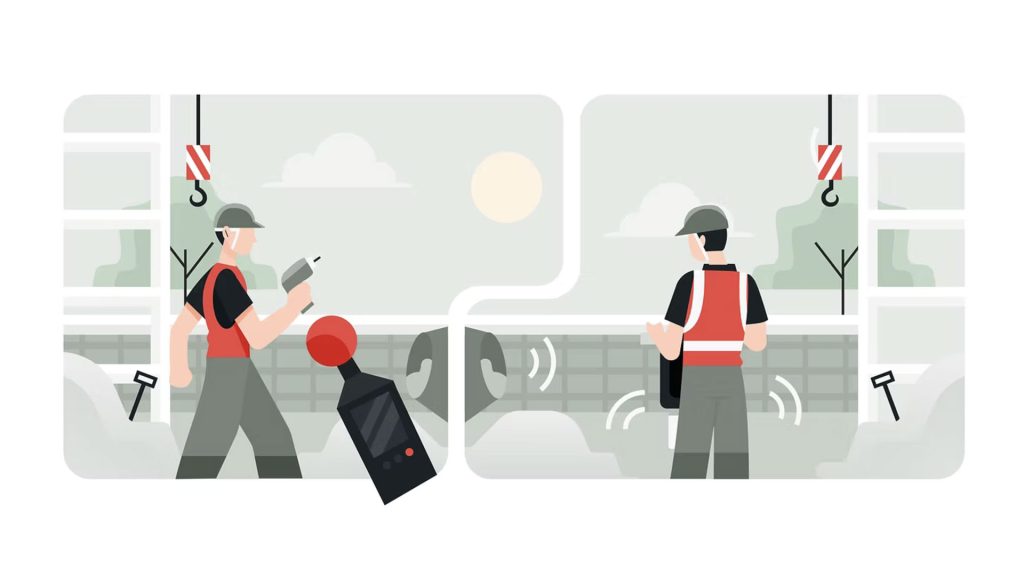
Redefining Noise Monitoring in the Workplace
Noise-Induced Hearing Loss (NIHL) is a permanent and disabling condition. In the UK alone, it affects two million workers. Globally, a staggering 1.1 billion people are estimated to have the condition, with 16% of disabling hearing loss worldwide being attributed to exposure to occupational noise.

From Minuendo to Noise Smart: A New Name, a Sharper Focus
Don’t worry, our technology hasn’t changed. The Smart Alert product you know, and trust, remains the same. What’s new is the name that represents it in the workplace safety world; one that better reflects our mission, our users, and the growing importance of real-time, personal hearing protection.